my story
Wolves
During my time as a student at the University of Colorado, I took an unexpected turn that shaped the course of my life. It began the day I met Lucas — a one-year-old ambassador wolf from Mission: Wolf, a remote sanctuary and education center tucked deep in the southern Colorado mountains. I had never been that close to a wolf before. The experience was unforgettable.
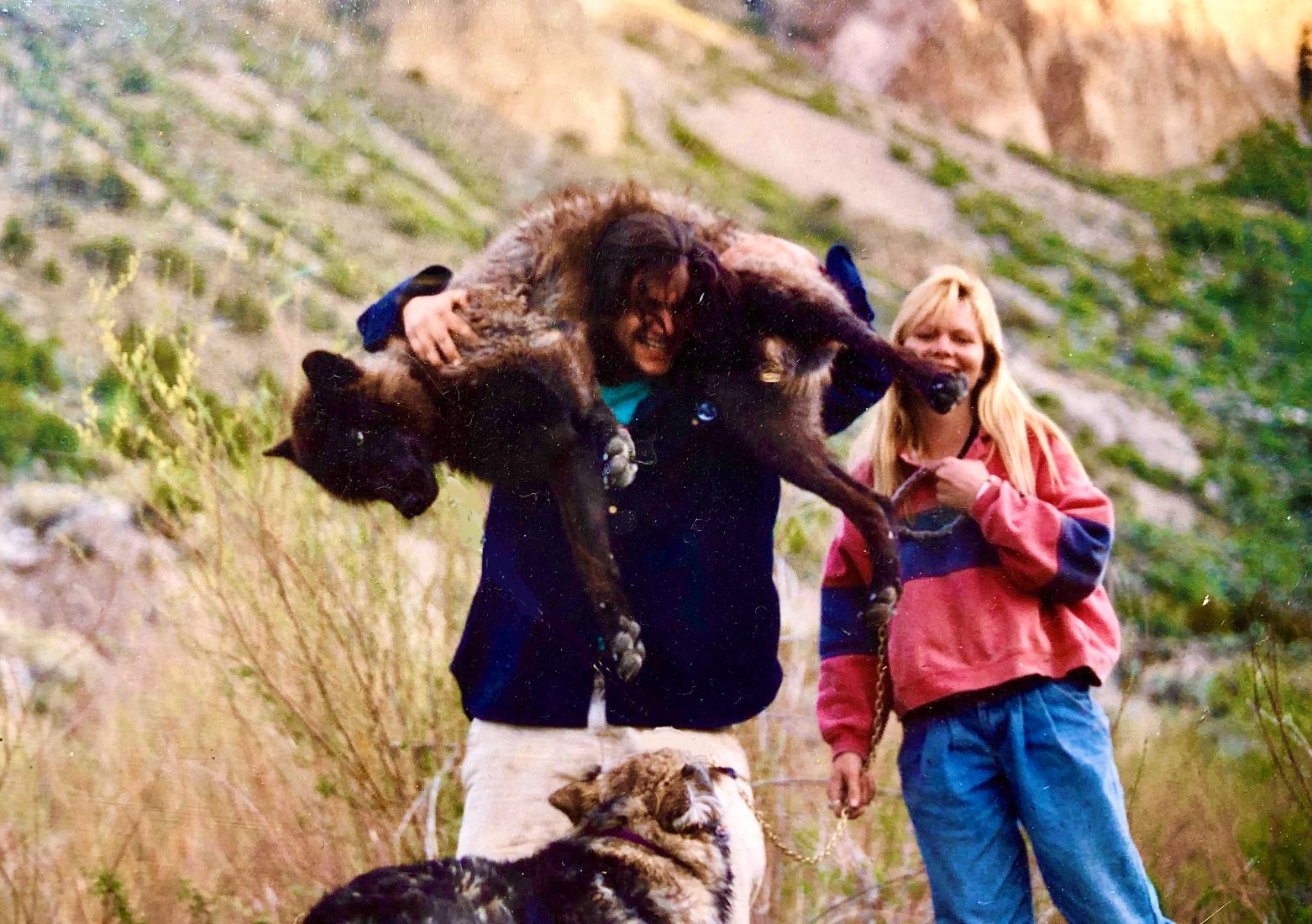
What started as curiosity quickly became something much deeper. I soon moved to the sanctuary and lived there full-time, working as a caretaker, educator, and eventually a trusted member of the pack’s daily life. It was a world far removed from classrooms and career plans — a place where the lessons came from silence, observation, patience, and respect.
Despite a lifetime of stories casting wolves as dangerous or fearsome, I discovered animals that were gentle, intelligent, playful, and profoundly social. They relied on each other for everything: protection, belonging, survival. Earning their trust was not automatic. It didn’t matter that they depended on humans in captivity — trust had to be earned, slowly, on their terms.
For months, I learned how to communicate with them: how to move, when to approach, when to simply be still. Over time, the wolves accepted me. They greeted me each morning with nuzzles, tail wags, and invitations to play. I was welcomed into a world most people never see.
Those days at Mission: Wolf were the beginning of my love for wildlife, conservation, and the natural world. They taught me about connection, humility, and what it means to build trust with another living being — lessons that stayed with me long after I left the sanctuary, shaping how I saw people, animals, and eventually, the remote and wild places I would come to explore.

“It was a world far removed from classrooms and career plans- a place where the lessons came from silence, observation, patience, and respect.”
Where it all began
My first journey beyond North America took me to India — and it changed everything.
India was overwhelming in all the best ways — vibrant, unfamiliar, and alive with possibility.
I was embraced everywhere I went: invited into homes, offered food, welcomed into temples, asked questions, and met with a warmth that instantly dissolved any hesitation I had about being far from home. It was intoxicating. The world felt suddenly bigger, deeper, and far more welcoming than I had ever imagined.
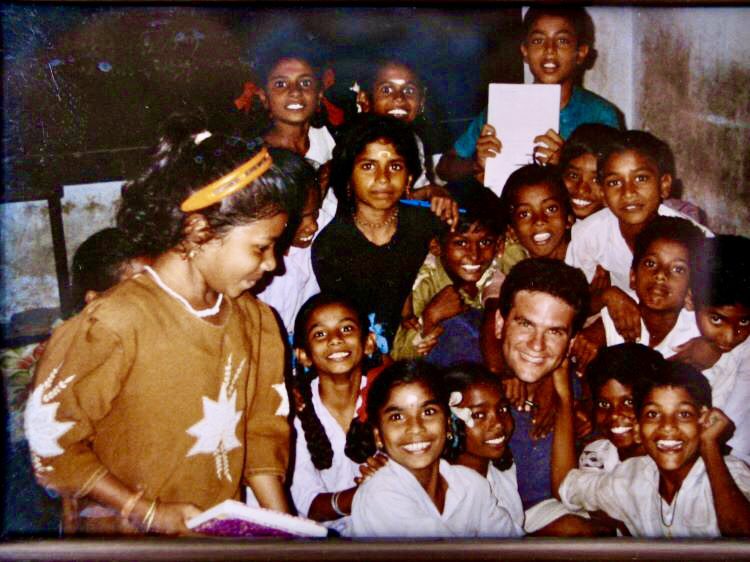
One day outside the southern city of Madurai, I wandered far off the beaten path, following a narrow footpath through a dense forest. I heard faint voices — children reciting lessons — though I’d seen no sign of a village. When I reached the sound, I found a small, one-room schoolhouse hidden among the trees.
Curiosity got the best of me. I peeked through a window.
The teacher and students saw me instantly. I froze — that childhood feeling of being “caught” by a teacher came rushing back. But instead of scolding, the teacher came outside with an excitement I did not expect. She invited me in, explaining that she was teaching English. The students had never seen a Westerner before.
The moment I stepped inside, every child jumped from their seat and ran toward me with outstretched arms. They hugged me, squeezed me, shouted with joy — as if I was a long-lost uncle who had suddenly reappeared. I’ll never forget that feeling. Their openness and curiosity were overwhelming in the most beautiful way.
I had many similar encounters on that trip. Each one chipped away at whatever inhibitions I had left and taught me that the world rewards those who step outside their comfort zone with courage and humility.
Years later, I found myself wondering whether other travelers had experiences like these — or if many never truly scratch beneath the surface. The idea of helping people discover the world in this deeper way felt like a dream.
I didn’t know it then, but this was the moment that planted the seed that would eventually lead me to Cuba… and onto a very different path in travel.
Cuba, A Door That Wasn’t Supposed to Open
My first trip to Cuba came at a time when the island had been off-limits to most Americans for 40 years. I expected distance and suspicion. Instead, I found an openness that few travelers experience anywhere—extraordinary access to people and places most people never see.
That trip changed everything.
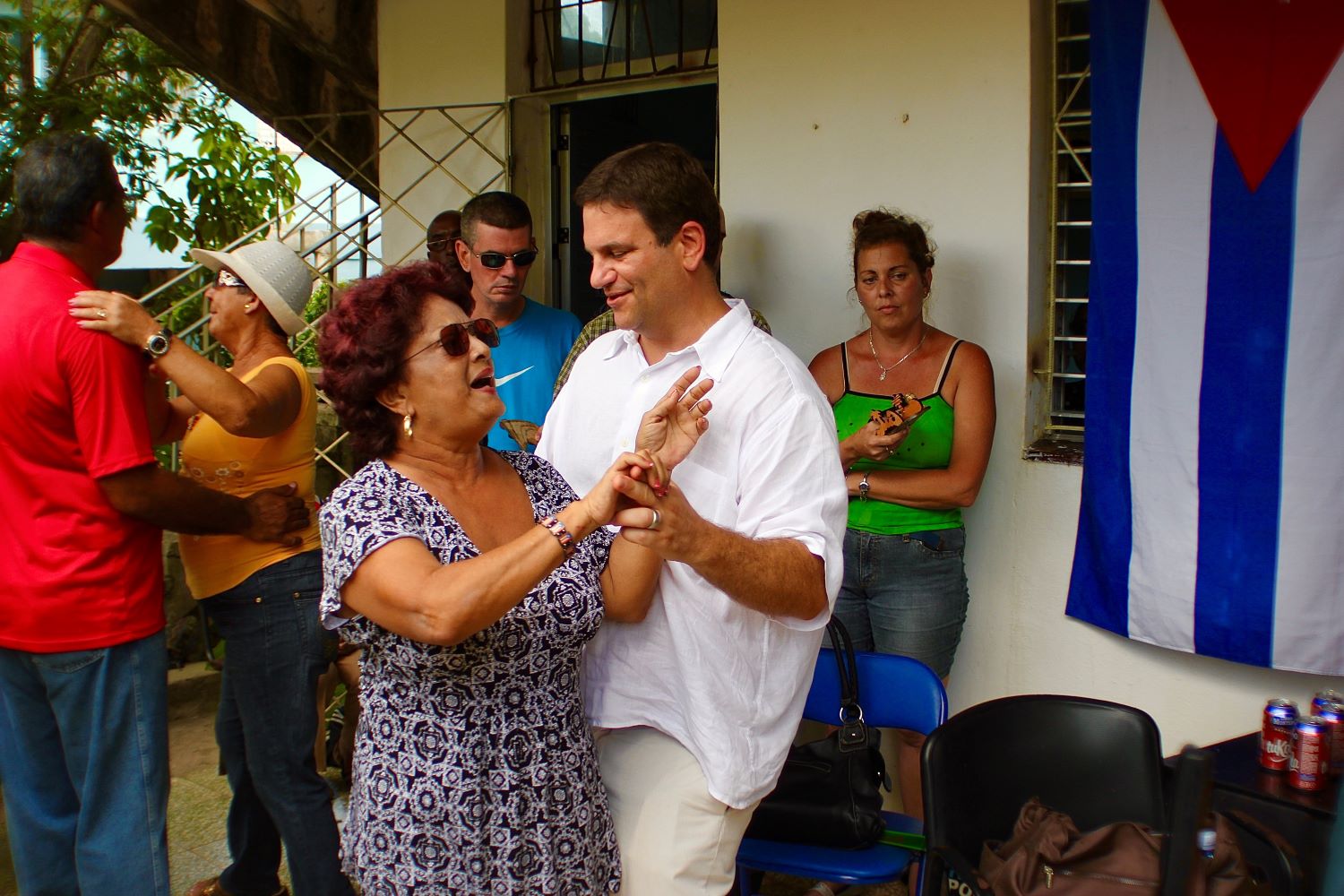
Soon after, I left my ten-year career in marketing and sales and founded insightCuba, the first company to bring everyday Americans to Cuba legally. Almost everyone I knew told me it couldn’t be done. Sanctions, regulations, and decades of “you can’t go there” made it feel impossible—but I had seen a side of Cuba that I believed others needed to experience.
Over the next two decades, we brought thousands of Americans to Cuba each year, helping them experience a culture that had evolved outside of Western influence. We introduced travelers to the Havana International Jazz Festival, promoted the Havana Marathon in the U.S., earned the first cruise license, built strategic partnerships, and, along the way, received recognition from Condé Nast Traveler, HSMAI, TripAdvisor, and others.
In 2019, insightCuba was acquired by Friendly Planet Travel, where I stayed on as president of insightCuba and later became CEO of Friendly Planet. In 2021, I founded 82° West Consultants to help businesses explore opportunities in Cuba across multiple sectors.
Cuba showed me that what may seem impossible is often just unexplored.
Seven Oceans Expeditions — The Next Horizon
For as long as I can remember, I’ve been drawn to the water. Over the years, I’ve scuba-dived in more than twenty countries—across the Middle East, Scandinavia, Europe, Africa, Central America, and North America. I’m a certified ocean diver, drysuit diver, and full cave diver, and when I’m home, I volunteer with the dive team at the Norwalk Maritime Aquarium. I’ve traveled to more than sixty countries, often returning again and again, always searching for what lies beyond the familiar.
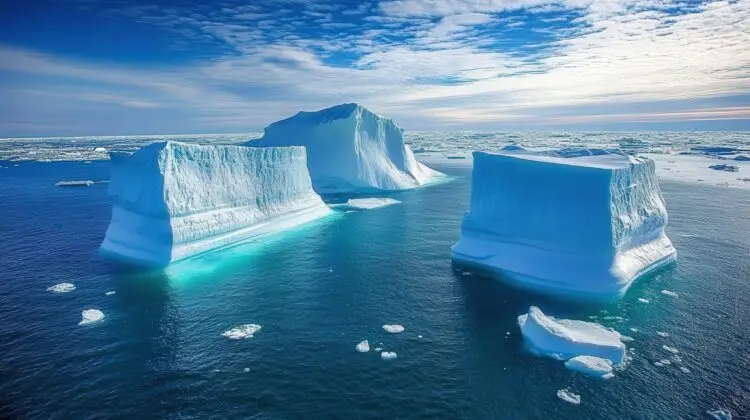
Opportunity and inspiration often arrive unexpectedly, and my recent trip to Greenland was no exception.
Sailing through fjords filled with towering icebergs—some the largest I had ever seen—I found myself surrounded by untouched polar wilderness. The water was impossibly clear, vibrant with life, and calling to be explored. Yet despite everything I’ve done and everywhere I’ve been, there was no way in. No recreational diving. No guided access. No opportunity for divers to experience the world hidden beneath those massive walls of ice.
It reminded me of my first visit to Cuba: a place full of possibility that most people simply couldn’t reach.
That realization is what sparked Seven Oceans Expeditions.
Seven Oceans Expeditions is built on the belief that the world’s underwater frontiers—especially the polar regions—deserve to be explored safely, responsibly, and with deep respect. It’s a place where skill, preparation, and adventure come together to create experiences that challenge and transform people. A place for divers who want to push boundaries with intention, mastery, and awe.
Because, as with so many extraordinary experiences, polar diving isn’t difficult because of the environment—it’s difficult because there’s no clear path to begin. The opportunity is there, but the access is not.
Seven Oceans Expeditions is creating that path—unlocking some of the planet’s most remarkable underwater worlds and shaping a new generation of adventure travelers and divers.
AWARDS